Monday, December 14, 2009

Music Helps Reduce Stress In Heart Disease Patients

An article I found on Science Daily, explains how heart disease patients who listen to music have a reduction on stress. Music obviously calms the heart's stress level, which makes it easier to live.
"Our findings suggest music listening may be beneficial for heart disease patients," says Joke Bradt, who works at the Arts and Quality of Life Research Center at Temple University in Philadelphia. "But the trials we looked at were generally small and varied in terms of styles of music used and length of music sessions. More research on the specifics of music listening is certainly warranted."

The researchers reviewed data from 23 studies, which together included 1,461 patients. Two studies focused on patients treated by trained music therapists, but most did not, using instead interventions where patients listened to pre-recorded music on CDs offered by healthcare professionals.

"We all know that music can impact on our emotions, our physiological responses, as well as our outlook on life, and this early research shows that it is well worth finding out more about how it could help heart disease patients. In particular, it would be interesting to learn more about the potential benefits of music offered by trained music therapists, which may be differ substantially from those associated with pre-recorded music," says Bradt.
Music does wonders...Music is an amazing language. This article really explains to me that music really can help save lives and music is beneficial to everyone!

Personality Robbed

Kenny Sparks is a owner of a multi-million dollar business, well know in his community and has a loving wife and kids. Sounds like there is n problem right, well for this man he has a rare form of dementia which is slowly robbing him of his personality and also has a loss words.
Kenny's personality wasn't the same, either. He grew distant, more agitated. Cheryl thought it was stress, that the pressure of work was getting to him. But as the months went by, his condition got worse. He was put on medication for depression. Although it helped, Cheryl said, "He just wasn't Kenny."His children also noticed the change. During a family trip to France, he hardly spoke. His son, Graham, knew this wasn't his dad. "He'd tell stupid jokes all the time," said Graham. "And on this trip, he wasn't telling jokes. He was sitting there with a blank stare on his face.
"

There is no know cure for this illness. all the family can do is just watch as there father slowly slips away from them.

Bacteria Provide New Insights Into Human Decision Making

In this article from Science Daily , Math, Biology, and decision making are all put to the test. Bacteria, who live in giant colonies, can communicate with each other all most instantly. When conditions get bad in the colony, such as starvation or poisoning, the exact conditions are given out to all members of the colony. Then the bacteria have a choice, they can retreat into a spore, or go into a different state called competence. If the bacteria goes into a spore, they store their DNA in a capsule, which breaks open when conditions are better. The original bacteria dies, but one takes its place at another time. If the bacteria goes into competence, it stays alive through the struggle, using its dead brothers, the ones who became spores, as subsistence. The advantage of this is no one dies, so the bacteria can continue with the colony while the others are in spores.

Now here is where the math comes into play. Scientists want to use all the data gathered from watching how the bacteria respond to each others choices, and not only try and learn more about human decision making, but by trying to put a mathematical model to certain situations, such as who goes out and gets a vaccine compared to how many people in the entire population do. Ben Jacobs, a physics professor at Tev Aviv and part of the Center for Theoretical Biological Physics, had this to say.

"What each bacterium is doing is the equivalent if each individual on earth was able receive the exact information about the rate of spread of this new virus, the exact information about the intentions, to be vaccinated or not, by each person on the planet, and in addition the exact information about the health risks of side effects or being infected, a decision is then made in the context of this vast amount of information."


I think this article is interesting, mainly because of how impossible I think it would be to make a mathematical model that would accurately show the decision making of a group of humans.

Revolutionary treatment could cure aggressive cancer

While googling a little on cancer, I came across this article. The article tells about children with neuroblastoma, how how around 30% of the cases treated with the standard chemotherapy are fatal. The article goes on to discuss how British scientists are testing immunotherapy along with the standard chemo. According to the article, the antigens in the medicine go to the cancer cells, then strengthen the immune system so the body can kill the cancer. However, Dr. Peter Brock has this to say about having immunotherapy as the primary weapon in the fight against cancer.

'You have to have got rid of most of the disease. Immunotherapy works by linking on to one cell at a time.'


The immunotherapy is delivered to the children, most of whom are before there 5th birthday, with an IV. It takes a long time, 8 hours a day for 5 days, repeated once a month for 5 months, and the process is extremely painful, so the children are also given morphine while in the hospital.

This research is helped being funded by charities, including Simon Cowell, who is donating money from sales of Christmas songs from the British version of American Idol.

Sunday, December 13, 2009

What Causes Common Skin Warts

I went onto WebMD.com and i came across this article about the cause of the common skin wart. And what I found out was quite interesting.
When skin warts appear, it can seem as if the harmless growth came out of nowhere.
But common skin warts are actually infections on the top layer of skin caused by a virus called the human papillomavirus, or HPV. When the virus get's into the outer layer of the skin usually through a cut it causes an unusual rapid growth of cells on the outer layer of the foot creating the wart. “HPV is ubiquitous,” says dermatologist Conway Huang, MD, an associate professor of dermatologic surgery and cutaneous laser surgery at the University of Alabama at Birmingham.
“We all come in contact with it,” throughout our lives, such as when
shaking hands, turning doorknobs, or typing on keyboards."

Scientist have discovered more than 100 unique types of the virus and most people will have at least one common wart at sometime in their lives, usually on their hands. Some strains of the virus can cause just skin warts and others can cause genital warts, but some strands may cause both.
“People get warts from other people with warts, they don't get them from frogs and toads,” says Robert Brodell, MD, a dermatologist in Warren, Ohio.

“The most common way is direct skin-to-skin contact, such as shaking hands with someone who has warts on their hand. You can also get the virus from inanimate objects, like towels that have been used by someone with a wart.”
I thought that this article was interesting because alot of people have warts and I have always wondered what had brought them on. It is weird to think that just by touching someone with a wart on their hands or usuing a towl could pass the virus onto you. Also sort of nasty when you think about it.

Antidepressants May Change Personality

This article was found in Health News. Those people with depression who take antidepressants can have a personality change. This personality change can be for the best. The will become more outgoing and become emotionally stable. This antidepressant is called selective serotonin reuptake inhibitors (SSIRIs).
The recent study has found that neuroticism is a key risk factor when it comes to depression. There is also substantial overlap in the genes associated with high neuroticism and the genes that are associated with depression. Both extraversion and neuroticism are associated with the brain’s serotonin system, which is targeted by the SSRI antidepressant medications

This article is helpful for those who have depressions all the time. There is now positive in this antidepressent which will also change their personality for the best.

The Yawn Explained: It Cools Your Brain

According to Discovery News a new study has gone out on why people yawn and they found out that the primary purpose of yawning is to control brain temperature.
"Brains are like computers,"

Andrew Gallup, a researcher in the Department of Biology at Binghamton University who led the study, told Discovery News.
"They operate most efficiently when cool, and physical adaptations have evolved to allow maximum cooling of the brain."

Several new studies have been done to solve the world renound mystery of why people yawn, and those studies have shown that the main reason for that contagous yawn is to cotrol your brain temperature. Researchers at the Department of Biology at Binghamton University and their colleagues Michael Miller and Anne Clark analyzed yawning in parakeets as representative vertebrates because they have relativley large brains and live in wild Australia which goes through many temperature changes, and they do not engage in contagous yawning like humans. Contagous yawning is thought to be a mechanism for keeping groups alert so they, remain vigilant against danger, Gallup said. For the study the scientists expolsed parkeets to three different conditions: increasing temperature, high temperature and a moderate control temperature. A paper on the findings has been accepted for publication in the journal Animal Behavior.
"Based on the brain cooling hypothesis, we suggest that there should be a thermal window in which yawning should occur," Gallup said

For example, you should not yawn when ambient temperature exceeds body temperature as taking a deep inhalation of warm air would be counterproductive. Yawning when it is extreamly cold may be maladaptive, because this may send unusually cold air to the brain, which could
produce a thermal shock.
I always thought that the reason for yawning was because the oxygen in your blood was low I never thought that it was to cool your brain it is mind boggling to say the least. I never thought that parakeets would be a good test subject to test the weather conditions either. It makes me want to yawn right now just typing about it.


Missing DNA can promot childhood obesity

I found this article in Yahoo News. Some children become obese by age 10. British researchers said that this was due to a deletion on chromosone 16. This deletion of this gene is a gene that gives signals to the brain of appetite controlling.
The British researchers checked the DNA of 300 children who'd become very fat, on the order of 220 pounds by age 10. They looked for deletions or extra copies of DNA segments.

They found evidence that several rare deletions may promote obesity,


I think this is a really interesting article. Now we can all know that some children get obese due to a chromosone deletion. Some people think that parents give thier children to much to eat but thats not really the case. It actually has to due with DNA chromosone.

Friday, December 11, 2009

When Less Attention Improves Memory

According to science daily a new study conducted at the Centre for Studies and Research in Cognitive Neuroscience of the University of Bologna shows that, in patients, memory accuracy improves when attentional resources are reduced.

Most cognitive processes supporting adaptive behavior need attentional resources for their operation. Consider memory. If memory was a car, attention would be its fuel: New information is not stored into memory if not attended to, and distraction often leads to misremembering past events. What if the car’s brakes are broken? Will adding fuel still be a good thing? Confabulation is a devastating memory disorder consisting in the uncontrolled production of “false memories”. Patients often act upon their false memories, with dramatic consequences. The research published in Cortex shows that if memory in confabulation is like a car with broken brakes, then it is best not to add fuel.
Overall this article states that your memory works better when its given something simple to memorize with a small amount of attention resources added. I was very interested in this article because with finals coming up I'm trying to memorize as much as possible. :]]


What Can Trigger a Heart Attack?

On msnbc.com I found an article about different things that can commonly trigger a heart attack. People deal with most of these occurrences everyday. From getting upset about a traffic jam to pigging out over the Holidays, people should be aware of what they are doing to their bodies, especially if they have had heart trouble in the past.
First thing in the morning: The risk of heart attack increases 40% in the morning, Harvard researchers estimate. Why? As you awaken, your body secretes adrenaline and other stress hormones, increasing blood pressure and a demand for oxygen. Your blood is also thicker and harder to pump because you're partially dehydrated. All this taxes the heart. Protect yourself: Build some time into your wake schedule so you can hit the snooze button and wake up slowly. If you're a morning exerciser, warm up thoroughly so as not to additionally stress the heart. And if you're on a beta-blocker, take it before bed so the medication is at full strength in the AM.

On Monday mornings especially: Twenty percent more heart attacks occur on this day, probably because people are stressed and depressed about returning to work. Protect yourself: Relax on Sunday, but try not to sleep in. Getting up early on Monday after sleeping late Saturday and Sunday can raise blood pressure even more because your body is fatigued and its natural rhythms are out of whack. Try to maintain a regular sleep/wake schedule all week.

At the podium
From the heart's perspective, public speaking can be similar to unaccustomed exercise. Extreme nervousness raises blood pressure, heart rate, and adrenaline levels, all of which can make the presentation itself a secondary worry. Protect yourself: To counter these effects, some of my patients take a betablocker before speaking, flying, or doing anything that makes them overly anxious.

After a high-fat, high-carb meal
Studies show these foods constrict blood vessels, making blood more prone to clot. Protect yourself: If you must indulge, keep your portion sizes reasonable. A daily aspirin will also help prevent blood "stickiness."

During a bowel movement
Straining increases pressure in the chest, slowing the return of blood to the heart. Protect yourself: Eat lots of fiber, stay hydrated, and avoid straining.

During vigorous exercise you're unprepared for
Having a heart attack while shoveling snow is a classic example of this. The heart attack occurs because the victim isn't accustomed to that kind of effort and stress hormones skyrocket, causing blood pressure and heart rate to jump. Protect yourself: Regular exercise protects your heart. But increase your intensity level gradually.

These six activities are just everyday chores for most people. But if you have had problems with your heart in the past you should be aware of what could happen to your body just from shoveling snow off your sidewalk. A lot of people are uneducated about their families health history. If you are unsure you should ask about your relatives health conditions so you know if there is a greater chance that you could be a victim of a heart attack.

Thursday, December 10, 2009

Tobacco Smoke Causes Behavior Problems for Children

Children who are around tobacco smoke during early development can develop abnormal behavioral symptoms by the time they are 10 years old. This was on sciencedaily.com

"We were able to show that children who are exposed to tobacco smoke prenatally
and during the first years of life have a higher risk of developing abnormal
behavioral symptoms when they are of school age," said Dr. Joachim Heinrich.

"Moreover, it makes a difference whether the child was exposed to tobacco
smoke first after birth or was already confronted with it during prenatal
development."

Studies have been done and the children who were exposed to tobacco smoke prenatally have a 1.9 times greater risk of forming abnormal behavioral symptoms then children who are not exposed to tobacco smoke. The children exposed to smoke only after birth is 1.3 times higher. And of course the children who were exposed prenatally and after birth have a doubled risk.
Some symptoms of this are hyperactivity, attention deficits or problems in their relationships with the people around them.

The findings make clear that tobacco smoke exposure has a significant impact on
the behavioral development of children. The negative influence is greater on the
unborn child during the pregnancy of the mother than it is after this sensitive
developmental phase.


So pretty much smoking can effect your children for the rest of their lives which isn't fair to them. I think you just shouldn't smoke while you are pregnant or have smoke around your child period. It's not good for them and its certaintly not good for you.

Getting Back Into Shape

According to health.com, easing back into shape isn't as hard when you switch between short bursts of medium to high intensity work outs. Most people think running a lot right from the start has the best effect, but if a person is out of shape, they'll get discouraged quickly when their work out is too difficult. Changing your exercise routine also makes a work out feel easier because you're not repeating the same moves over and over again.

Walk at a comfortable pace for 2 minutes, then power-walk at your fastest speed for 1 minute; repeat for 45 minutes. Jog at an easy pace for 2 minutes, then run at your all-out pace for 1 minute; repeat for 30 minutes. On a treadmill, walk at a 5 percent incline for 2 minutes, then bump it up to a 12 percent incline for 1 minute; repeat for 45 minutes. On an elliptical trainer, walk at a 4 percent incline at 120–130 strides per minute for 2 minutes, then increase to 180–190 strides per minute for 1 minute; repeat for 45 minutes. Sprint up stadium steps, walk down, then walk at regular pace for 4 minutes; repeat 6–8 times. Bike at a comfortable pace for 2 minutes, then speed-pedal for 1 minute; repeat for 45 minutes. Tip: Always warm up and cool down for at least 5 minutes before and after sessions.

During the winter a lot of people notice that they gain weight around the holidays and they become less active in the cold weather. Having an easier workout routine motivates people to be active, especially if they are not involved in a sport. This could also help people going into college who aren't looking forward to gaining the freshman fifteen.

Wednesday, December 9, 2009

How to Read Brain Activity With an EGG


This EEG is actually an electroencephalogram that scientist and physicians use to study brain activity. I found this article on Sciencedaily.com.
The electroencephalogram (EEG) has been widely used in research and medicine for more than 80 years. The ability to measure the electrical activity in the brain by means of electrodes on the head is a handy tool to study brain functions as it is noninvasive and easy to apply. The interpretation of the EEG signals remains, however, difficult. The main reason for this is that the exact relationship between the activity generated in the brain compared to that measured on the scalp is unclear. Therefore, a question of paramount practical importance is how EEG can be used to deduce neural activity in the brain. Recently, Kevin Whittingstall and Nikos Logothetis from the Max Planck Institute for Biological Cybernetics in Tubingen have addressed this very question for the first time.
Basically the EEG only reads brain activity that happens on the scalp. The readings of the EEG can be very different from the readings that are actually in the brain. I wonder if there findings of this EEG will lead to new research projects on the brain. Like trying to find out more about mental disorders or other brain disorders. It's amazing to think of what the brain can really do.

Your body's big enemy? Your sitting on it

Is it really true that sitting down for seven or eight hours a day is really leading to an earlier death? According to msnbc's Selene Yeager it is, by way of obesity, heart disease, and diabetes.
"Our bodies have evolved over millions of years to do one thing: move. As human
beings we evolved to stand upright. For thousands of generations, our
environment demanded nearly constant physical activity," says James Levine,
M.D., Ph.D, of the Mayo Clinic in Rochester, Minn.

But thanks to technological advances, the Internet, and an increasingly longer work week, that environment has disappeared. You don't even need to be near a computer to receive an e-mail or check your facebook anymore, it is available on your cell phone. People can sit down to pay bills, shop online, and even keep in touch with friends. When you sit down for an extended period of time, your body starts to shut down, at the metabolic level. When your larger muscles, especially the ones in your legs become immobile, your circulation slows down and you burn fewer calories. Key flab-burning enzymes responsible for breaking down triglycerides simply start switching off. But it doesn't stop there, research shows that for every two hours you spend on your backside per day, your chance of contracting diabetes goes up 7 percent.

Spending a day on your rear is also bad for your posture and spine health.

"When you sit all day, your hip flexors shorten and tighten, while the muscles
that support your spine become weak and stiff." Said Douglas Lentz, a certified
strength and conditioning specialist.

I couldn't believe some of the statistics that were found throughout the article. But most of them are believable. I never would have thought that sitting down for so long could lead to so many conditions. It kind of makes me wonder how many hours I sit during a week.


Tuesday, December 8, 2009

Weak Muscles Increases Risk of Alzheimers

People who have weaker muscles have shown signs of having a higher risk for Alzheimers disease and declines in cognitive functions. I found this on sciencedaily.com.


Studies were done on 970 older adults. Each went through evaluations including medical history, cognitive function, neurologic and neuropsychological tests, and muscle strength. During this time, 138 participants were diagnosed with Alzheimer's disease.

[...] Those at the 90th percentile of muscle strength had about a 61 percent reduced risk of developing Alzheimer's disease compared with those in the 10th percentile.

"Overall, these data show that greater muscle strength is associated with a decreased risk of developing Alzheimer's disease and mild cognitive impairment suggest that a common pathogenesis may underlie loss of muscle strength and cognition in aging," the authors write.

Researchers are not sure why weaker muscles can increase the risk of Alzheimers disease but think it could be from damage to the mitochondria, this produces energy for your body's cells, which could cause the loss of muscle strength and cognitive function.

Sleep Apnea Caused From Ecstasy

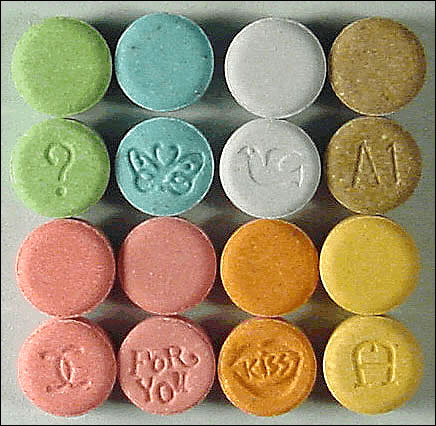
Researchers have reported that people who use the drug ecstasy are more likely to show signs of sleep apnea than people who do not use it. Meaning that while they are sleeping they are unaware that their breath has stopped, leaving them gasping for air. I found this article on ScienceNews.org.

There is evidence that ecstasy is toxic to neurons in the brain that makes
serotonin , a multipurpose neurotransmitter. It has been hypothesized that
serotonin-making neurons might somehow protect against sleep apnea, but how is
unclear.

Scientists did a study where they monitored 62 people sleeping, who had never taken ecstasy and 71 people who had used the drug. Both groups seemed to have mild sleep apnea, but the people who used ecstasy more often were the ones who were most likely to have it.

Pretty much this article is saying that they have some reason to believe that taking the drug ecstasy is linked to sleep apnea. Even though people who have not taken it still have mild apnea, the ones who do use ecstasy or take it alot more than some, will have more severe cases. So I probably just wouldn't take ecstasy.

New tech could Make Disease Testing Easier


According to Science Daily
Yale university scientists have found a way to rapidly manipulate and sort cells in blood.


"Ferrofluids are comprised of magnetic nanoparticles suspended throughout a liquid carrier. They have been used in industrial applications for years, including in hard disk drives and loudspeakers. Now a team led by Hur Koser, associate professor at the Yale School of Engineering & Applied Science, has developed a biocompatible ferrofluid -- one with the right pH level and salinity so that human cells can survive in it for several hours -- and has created a device with integrated electrodes that generate a magnetic field pattern, allowing them to manipulate and separate red blood cells."

So not only can human blood survive longer outside of the body, certain red blood cells can be separated using electrodes. This in consequence, can make disease testing much easier and hassle free, speeding up the process of disease testing - so perhaps sometime soon it could only take a day to know if you have cancer. (Or perhaps something less deadly.)

Love Sara

Monday, December 7, 2009

Balancing Protein Intake, not cutting calories, May be key to long life

Does cutting calories really help as much as you think? Or could you just have a better balanced diet to help you live a long healthy life? That is the question posed in this article from http://www.sciencedaily.com/


"By carefully manipulating the balance of amino acids in the diet, we have
been able to maximise both lifespan and fertility," explains Dr Matthew Piper,
one of the study authors. "This indicates that it is possible to extend lifespan
without wholesale dietary restriction and without the unfortunate consequence of
lowering reproductive capacity."

"The fruit flies were fed a diet of yeast, sugar and water, but with differing amounts of key nutrients, such as vitamins, lipids and amino acids. The researchers found that varying the amount of amino acids in the mixture affected lifespan and fertility; varying the amount of the other nutrients had little or no effect......"

Although the human genome has around four times the number of genes as the fruit fly genome, there is a close relationship between many of these genes. Since it is easy to create mutants and carry out experiments on fruit flies, the functions of many fly genes have been established and newly discovered human genes can often be matched against their fly counterparts. Therefore, even though the fruit fly does not on the surface resemble humans, many findings about its basic biology can be interpreted for human biology.


Are we really that closely related to fruit flies? that is just mind blowing to me that scientist can relate a human with a fruit fly. We are like a million times bigger then they are. The article also says that the key to a longer life might actually lie within a diet instead of just counting how many calories you take in. Which also has me wondering, should i start taking protein< shakes?

Inside the Child's Mind: Understanding autism

Would you be able to learn at the same rate you do if you interpreted information a split second after it was said? What if you were holding a conversation and didn't know when to stop? Those are exactly the type of challenges eight year-old, Zander Pridy has to go through on a daily basis. CNN reporter Kiran Chetry interviewed Pridy to get some more information.


"What happens is as speech becomes more complicated, we have more and more
sounds building up and these delays cascade on each other leading to a
difficulty in percieving or recognizing the word." Said lead researcher Tim
Roberts.

Researchers at the Children's Hospital of Philadelphia are using a magnetoencephalography, MEG, machine to study the brain waves of children like Pridy with autism disorders. The scientists are hoping to unlock how the scientific brain works. Dr. Schultz is using MRI's to understand and examine the autistic brain. This research won't answer the question of what causes autism, but Schultz says it may lead to a better diagnosis and an earlier intervention.

I was really shocked to read that young children, such as Pridy, have such a problem learning and socializing. They have come up with some helpful ways for them to stay focused during school, which is pretty neat. Zander has a speaker on his desk and his teacher wears a microphone to project her voice, to help him stay on task. Overall, the things they come up with to help autistic kids is really something else.

Can Working out wear you out?

In this article at the HTML of www.msnbc.msn.com/id/33796382/ns/health-fitness talks about how working out a lot when you are younger will end up harming your body as you age, which is true but you would be way worse of later on if you didnt excercise.

"Physical activity guidelines released by the federal government last year recommend a minimum of two hours and 30 minutes a week of moderate physical activity or at least one hour and 15 minutes of vigorous activity, plus at least two days of strength training a week. The guidelines also state that greater health benefits can be achieved when adults like yourself increase their physical activity to five hours a week of moderate activity or 2.5 hours of vigorous activity, or more."
"It’s true that you can overdo it with exercise and sustain overtraining injuries, particularly if you don’t follow good technique or listen to your body’s warning signals to taper off, Kibler and other experts say. But there’s no reason to think that healthy people doing recommended amounts of physical activity and progressing at a sensible rate are going to eventually wear out their bodies. On the contrary, there is abundant evidence that exercise can go a long way to keep us healthy and strong as we age — and prevent early death. "
Now i dont know about the rest of you guys, but i think im a little scared about this article. Being a football player, this could seriously mean but things for my joints/body. The silly two hours and thirty mins of moderate activity per week. Ha i eat that for breakfast, and the two-days rest in between? My future body is not looking so hot. Look at your excercise schedule and see where you sit with these "recommended guidelines" for working out, see how that shoe fits.

Musical Talented Adolescents Have Better Potential To Do Better In School

An article I found at ScienceDaily explains how musical participation, such as playing an instrument and studying music theory, will increase the chance for children to become smarter in math and reading.
“This topic becomes an issue of equity at both the family and school levels,” the authors conclude.

“This has major policy implications for federal, state, and local agencies, as well as knowledge that can help families allocate resources that are most beneficial to children.”
Music is positively associated with academic achievement, especially during the high school years. However, some adolescents don't participate in music or can't afford and/or have a low access to music.

I'm a musician and I can tell you that, yes, reading music and participating with music does help your reading and your math skills, because ultimately, when you're reading music or constructing a composition, you're using the same part of your brain as if you were reading a book or doing a math problem, that's my theory anyway.

Smoking Soon After Waking Could Increase Your Risk Of Lung Cancer

In an article from Medical News Today, researchers are suggesting to wait for a while after you wake up to smoke your first cigarette. They think that waiting a while to smoke a cigarette will significantly decrease your nicotine uptake.
"These people may require a more intensive intervention than
other smokers to help them quit smoking on a sustained or permanent basis," he
added.The blood concentration of the metabolite cotinine is a good indicator of
how well our bodies absorb nicotine when we smoke cigarettes. Previous studies
have shown there is a wide variation in cotinine levels per cigarette smoked,
and the researchers hypothesized that in addition to how often a smoker smokes,
there might be other nicotine dependence behaviours that affect cotinine levels,
such as time to first cigarette after waking. This in turn could affect a
smoker's chances of quitting as well as impacting his or her health.For the
study the researchers recruited 252 healthy black and white community-dwelling
daily cigarette smokers and examined a number of behaviours that are thought to
reflect the urge to smoke. They also measured their plasma and urinary cotinine
levels."These people may require a more intensive intervention than other
smokers to help them quit smoking on a sustained or permanent basis," he
added.The blood concentration of the metabolite cotinine is a good indicator of
how well our bodies absorb nicotine when we smoke cigarettes. Previous studies
have shown there is a wide variation in cotinine levels per cigarette smoked,
and the researchers hypothesized that
in addition to how often a smoker smokes, there might be other nicotine
dependence behaviours that affect cotinine levels, such as time to first
cigarette after waking. This in turn could affect a smoker's chances of quitting
as well as impacting his or her health.For the study the researchers recruited
252 healthy black and white community-dwelling daily cigarette smokers and
examined a number of behaviours that are thought to reflect the urge to smoke.
They also measured their plasma and urinary cotinine levels. [...] The
researchers concluded that:"These findings suggest that the time to first
cigarette is a strong predictor of nicotine uptake and should be considered in
the design of smoking interventions."Muscat said:"Not all smokers are the same
and approaches to smoking reduction may need to account for individual smoking
behaviors such as the intensity and frequency of puffing, cravings and physiological symptoms.""It is unclear why smokers who take their first puff immediately
after waking have higher cotinine levels, but
this may reflect a more intense pattern of smoking. We need to find out why this
is," he added.Muscat and his team are now trying to find out if time to first
cigarette affects levels of other nicotine metabolites. If they find a similar
link, then time to first cigarette may become another risk factor for lung
cancer.


The article is basically saying that if you wait for a while after waking up to smoke your first cigarette it will significantly decrease your chances of getting cancer. The smart thing to do would be to just not smoke at all!

Teen Internet addicts more likely to self harm


On msnbc there was an article stating that researchers have been investigating today's teenagers' addiction to the internet. They have been trying to find out if thier addiction to the internet has anything to do with hurting themselves. They said that if the addiction to the internet is bad enough, it could be just as bad as an addiction to anything else, meth., alcohol, etc. After researching 1,618 teenagers from the ages of 13-18 that internet addiction can in fact, cause self harm.
The test found that about 10 percent of the students surveyed were moderately
addicted to the Internet, while less than one percent were severely addicted.The
students ranked as moderately addicted to the Internet were 2.4 times more
likely to have self-injured one to five times in the past 6 months than students
without an addiction, said Dr. Lawrence Lam from the University of Notre Dame
Australia.The moderately-to-severely addicted students were almost five times
more likely than non-addicted students to have self-injured six or more times in
the past 6 months, Lam and his colleagues from Guangzhou's Sun Yat-Sen
University reported.

I really do think this whole thing is true, although there are very very few teenagers that are actually severely addicted. I think that it would be very hard to get addicted to the internet, unless you have no mental strength and the only thing that you know is the internet. Another reason i could see this being true is if you are a hardcore online video gamer. This doesn't necessarily deal with the internet itself, but more just computers in general. It is much easier to become "addicted" to video gaming than to the internet itself.


Longer High-Stakes Tests May Result In Sense Of Mental Fatigue, But Not In Lower Test Scores

According to an article on Science Daily recent research has been done to prove whether or not mental fatigue, or cognitive fatigue, can lower test scores. The results are showing that test results might actually get higher when a person is mentally fatigued.

In the study, 239 freshman college students from the Atlanta area took three different versions of the SAT Reasoning Test. Under conditions simulating the actual exam, with start times of 8 A.M. on three consecutive Saturdays, the students completed tests specially constructed for three different durations: 3.5, 4.5 and 5.5 hours. (The current SAT is 3.75 hours of testing over a 4.5-hour session. In this study, the short version of the test had one less of the verbal, math and writing sections; the long version had one more of each. Otherwise, the tests were the same.) Students received a cash bonus if they beat their previous SAT scores.

Before, during and after each test, students completed a questionnaire designed to asses their mood, emotions, confidence, subjective fatigue and more. As expected, the longer they worked on a test, the more the students reported mental fatigue. At the end of 5.5 hours of testing, students reported high levels of fatigue.

However, even though students reported greater fatigue for longer tests, their average performance for both the standard and long tests was significantly higher than for the short test. In fact, the short-form average score was 1,209 out of a possible 1,600; the standard-form average score was 1,222; and the long-form average score was 1,237. Scoring was weighted to make performance comparable across the different length tests.


Overall this article is saying that yes people do have feelings of fatigue during tests but it doesn't necessarily lower test scores. It also talks about how some people can suffer form mental fatigue more easily than others, due to their attitude toward the test or their motivation. So with finals coming up be sure to eat and sleep well, and have a positive attitude toward each test! :]

Sunday, December 6, 2009

Desert on Your Mind? Your Muscles May Be Getting the Message


According to researchers that reported in the December issue of Cell Metabolism, the thought of sweets may cause your muscles to start absorbing more blood sugar. This article was found on Scicencedaily.com

"Our results show that good taste, a pleasant meal, and its expectation stimulate muscle glucose utilization and thereby decrease blood glucose level during feeding," said Yasuhiko Minokoshi of the National Institute for Physiological Sciences in Japan. "Thus, blood glucose level after feeding is controlled by hedonic as well as homeostatic regulatory systems."

Minokoshi's team earlier showed that the fat hormone leptin activates glucose uptake and fat burning in muscle. Those effects depend on signals from the hypothalamus, a brain region that is critical for maintaining energy balance.

[...]"The most important finding is that hedonic feeding affects muscle glucose utilization and that orexin is involved in the regulation," Minokoshi said. Orexin has been shown to stimulate feeding, he added, and in fact, they confirmed that mice lacking the orexin gene were less interested than normal mice in sweets. He concludes that orexin may be responsible for controlling and coordinating both feeding behavior and muscle glucose metabolism.

Overall this article is saying that your muscles can affect the things you want to eat. And by injecting orexin into the skeletal muscles, that can make your blood sugar level a lot higher. I think this research that was done on mice can lead to other research projects, such as research projects on diabetes. I never would have thought that your muscles could have made you want to eat sweets.  

High-Risk Women Reluctant to Take Tamoxifen to Prevent Breast Cancer

According to the researchers at the Michigan Comprehensive Cancer Center only 6 percent of women take a drug that helps reduce the risks of breat cancer coming back. I found this article on sciencedaily.com

Researchers at the University of Michigan Comprehensive Cancer Center
created a decision aid designed to inform women about the risks and benefits
associated with tamoxifen, a drug that was first used to stop breast cancer from
returning and has recently been shown to prevent breast cancer in the first
place.[...]
The U-M decision aid gave objective information about tamoxifen and was
tailored to each woman's health history. The study targeted women who were at
high risk of developing breast cancer within the next five years; 632 women
participated.


In a gist this article is talking about the percentage of women who have had breast cancer and how they take care of their selves. Researchers came out with a trial drug called Tamoxifen, this drug helps reduce the cases of breast cancer for women who have already had it. Acccording to the researchers only 6 percent of the women said they would consider taking it. I think that this is very sad to read about because these doctors have found something to help breast cancer and help them becaome healthier but most of the women do not want to take it because of the side effects. I just think its a little ridiculous.

Friday, December 4, 2009

Does Drinking Diet Pop Make You Fat?


This question was asked in class yesterday, and I really didn't have a good answer to it. So, in my quest to be the Greatest Teacher Ever (GTE), I went looking for an answer. What I found was this, from Ryan Sager at Neuroworld:
Research suggests that artificial sweeteners — which basically fool our tongues by binding to and stimulating receptors on the taste buds...may mess up the brain’s connection between sweetness and caloric intake.

After all, sweetness is meant to signal to the body that it’s getting something it wants desperately: metabolic energy. If a certain amount of sweetness (the artificial sweetener) suddenly represents significantly less metabolic energy (fewer calories), the brain will want more and more sweetness as it fails to be satisfied.
Evidently, researchers have demonstrated (in rats) a positive correlation between the intake of artificial sweeteners and a tendency towards higher caloric intake, along with increased body weight and adiposity.

I think it's like this: your brain recognizes how many calories are needed to keep you alive and active, and creates desires (cravings, hunger, etc.) that encourage you to supply those calories by eating. When you taste something sweet, your brain assumes that you're getting a certain amount of those calories. When you're tasting something that's artificially sweetened (and therefor not getting the calories) your brain readjusts and tells your body that it needs more calories...which means more cravings, more hunger, and in most cases more eating.

So, the answer to the question is no...diet pop does not make you fat by itself. But it does cause changes in your body that might make a person more likely to overeat and therefor gain weight.

Thursday, December 3, 2009

Why Hair Turns Gray Is No Longer A Gray Area: Our Hair Bleaches Itself As We Grow Older

European scientists found out why we turn gray and despite the notion that gray hair is a sign of wisdom, these researchers show that wisdom has nothing to do with it. I found this article on sciencedaily.com

The researchers made this discovery by examining cell cultures of human hair follicles. They found that the build up of hydrogen peroxide was caused by a reduction of an enzyme that breaks up hydrogen peroxide into water and oxygen (catalase). They also discovered that hair follicles could not repair the damage caused by the hydrogen peroxide because of low levels of enzymes that normally serve this function (MSR A and B). Further complicating matters, the high levels of hydrogen peroxide and low levels of MSR A and B, disrupt the formation of an enzyme (tyrosinase) that leads to the production of melanin in hair follicles. Melanin is the pigment responsible for hair color, skin color, and eye color. The researchers speculate that a similar breakdown in the skin could be the root cause of vitiligo.


It is really funny how people are going crazy when they start to get gray but it is natural. Going gray is caused by a massive build up of hydrogen peroxide due to wear and tear of our hair follicles. The peroxide winds up blocking the normal synthesis of melanin, our hair's natural pigment. It is a totally natural process that everybody has to go through and you can dye your hair anyways.

Music and Speech Based on Human Biology, New Evidence Shows

Duke University neuroscientists had a pair of studies that shows powerful new evidence of a deep biological link between human music and speech. I found this article on sciencedaily.com


"There is a strong biological basis to the aesthetics of sound," Purves said. "Humans prefer tone combinations that are similar to those found in speech." This evidence suggests the main biological reason we appreciate music is because it mimics speech, which has been critical to our evolutionary success, said Purves, who is also director of Duke's Neuroscience and Behavioral Disorders Program and executive director of the A*STaR Neuroscience Research Partnership at the Duke-NUS Graduate Medical School in Singapore.

To study the emotional content of music, the Duke team collected a database of major and minor melodies from about 1,000 classical music compositions and more that 6,000 folk songs and then analyzed their tonal qualities. They also had 10 people speak a series of single words with 10 different vowel sounds in either excited or subdued voices, as well as short monologues.

This article was fun for me to read because I think it is really interesting to read about how music and speech is based on human biology. In this article there are two new studies found that the musical scales most commonly used over the centuries are those that come closest to mimicking the physics of the human voice, and that we understand emotions expressed through music because the music mimics the way emotions are expressed in speech.

Long Term Physical Activity Has an Anti Aging Effect at the Cellular Level

According to research reported in Circulation: Journal of the American Heart Association concluded harder exercise prevents aging of the cardiovascular system. i found this article from sciencedaily.com

Researchers measured the length of telomeres -- the DNA that bookends the
chromosomes and protects the ends from damage -- in blood samples from two
groups of professional athletes and two groups who were healthy nonsmokers, but
not regular exercisers.
Essentially, the longer telomere of athletes is an efficient telomere. The
body's cells are constantly growing and dividing and eventually dying off, a
process controlled by the chromosomes within each cell. These chromosomal "end
caps" -- which have been likened to the tips of shoelaces, preventing them from
fraying -- become shorter with each cell division, and when they're gone, the
cell dies. Short telomeres limit the number of cell divisions, Laufs said. In
addition, the animal studies of Laufs and colleagues show that the regulation of
telomere stabilizing proteins by exercise exerts important cellular functions
beyond the regulation of telomere length itself by protecting from cellular
deterioration and programmed cell death.


This article is about a clinical study who picked two different kind of groups. One group are professional athletes and the other group are untrained athletes who were healthy nonsmokers, but who did not exercise regularly. The professional athlets had a better resting heart rate, lower blood pressure and body mass index, and a more favorable cholesterol profile.
I think it is really interesting that if you have a long-term exercise training that activates telomerase and reduces telomere shortening in human leukocytes, so its reducing the impact of age-related disease.

The Way Dogs Walk

An article on Science Daily explains how humans are not fully sure of how our four legged friends walk, which catch the interests of many experts in natural history museums and illustrators for veterinary anatomy text books. These experts apparently don't know how they do it.
"Our key finding is that the chance to find erroneous depictions of quadruped walking in our surrounding environment is about 50 percent, which corresponds to nothing else than pure accident," said Gábor Horváth of Eötvös University.
"This was quite unexpected because the experts of animal locomotion have known well the characteristics of quadruped walking ever since the famous and pioneering work of Eadweard Muybridge, published in the 1880s."
As proven by experts, all four-legged animals step with their left hind leg, then with their left foreleg. Following that, they step with their right hind leg, then they step with their right foreleg, and so on. When a dog is walking slowly, it needs maximum static stability. A dog's body is supported by three feet on the ground at all times, while walking, which form a triangle and the closer their center of mass is to the center of those three points, the more stable they will be.

Wednesday, December 2, 2009

Increases in Children with Down Syndrome

I found an article on health.com that says the major cause of down syndrome today is women giving birth at an older age. Doctors are very curious as to whether or not there is a way to extend childrens life spans with cardiac surgery and better care for patients.
A growing number of children in the United States are being born with Down syndrome, federal researchers say. The overriding reason, experts add, is that more older women are having babies... The increase simply reflects the fact that more American women are having babies later in life, and “there is a strong epidemiological association between Down syndrome and maternal age,” Dolan said.
Tests are available to check for abnormalities in chromosomes so people can plan for delivery and let the parents know their child could have a disability. Also if people are more aware of these tests they can notify others.

Loneliness Can Be Contagious

Researchers at the University of Chicago, Harvard, and the University of California-San-Diego show that loneliness is certainly contagious. If you are around a person that seems lonely you are more often found to be brought down to. I found this article on
Sciencedaily.com.

Using longitudinal data from a large-scale study that has been following health conditions for more than 60 years, a team of scholars found that lonely people tend to share their loneliness with others. Gradually over time, a group of lonely, disconnected people moves to the fringes of social networks.

[...]Because loneliness is associated with a variety of mental and physical diseases that can shorten life, Cacioppo said it is important for people to recognize loneliness and help those people connect with their social group before the lonely individuals move to the edges.

This article is saying that loneliness is contagious to everyone who is around the person who was lonely in the first place. Loneliness is a mental and physical health condition. After reading this article I realized that this all started to make sense. I put myself in the situation of being around a lonely person and if i realize or catch on to them being lonely i get down too. Also reading in part of the article it said loneliness can cause a physical disease that can shorten life! thats amazing to think that just by some emotions your feeling you can gain a whole disease that could possibly end your life.


Tuesday, December 1, 2009

Man Lives Normally Without A Heartbeat

A recent article found on CBS told a story of a man, named Michael LeBlanc, who managed to lived without a heartbeat. LeBlanc suffered from cardio-myopathy, but due to a new assistive device called an L-VAD he is now able to live normally.

"[It] is a pump that is placed in the patient's body and allows us to keep them alive until they can get a transplant," Dr Meyer said.

This newly redesigned L-VAD model is small enough that it can go anywhere with the patients giving them the mobility they need to maintain a normal life.

"The blood goes in and then gets propelled through a rooter, then through a graft that comes out and is attached to the aorta," Dr. Meyer explained.
With assistive devices such as the L-VAD, doctors are able to keep patients alive longer. This may lead to controversy over whether or not this is ethical to allow a human to function mechanically and run off a machine, rather than a regular beating heart. This is considered a great accomplishment though due to the fact that patients can now survive until they are able to receive a heart transplant.